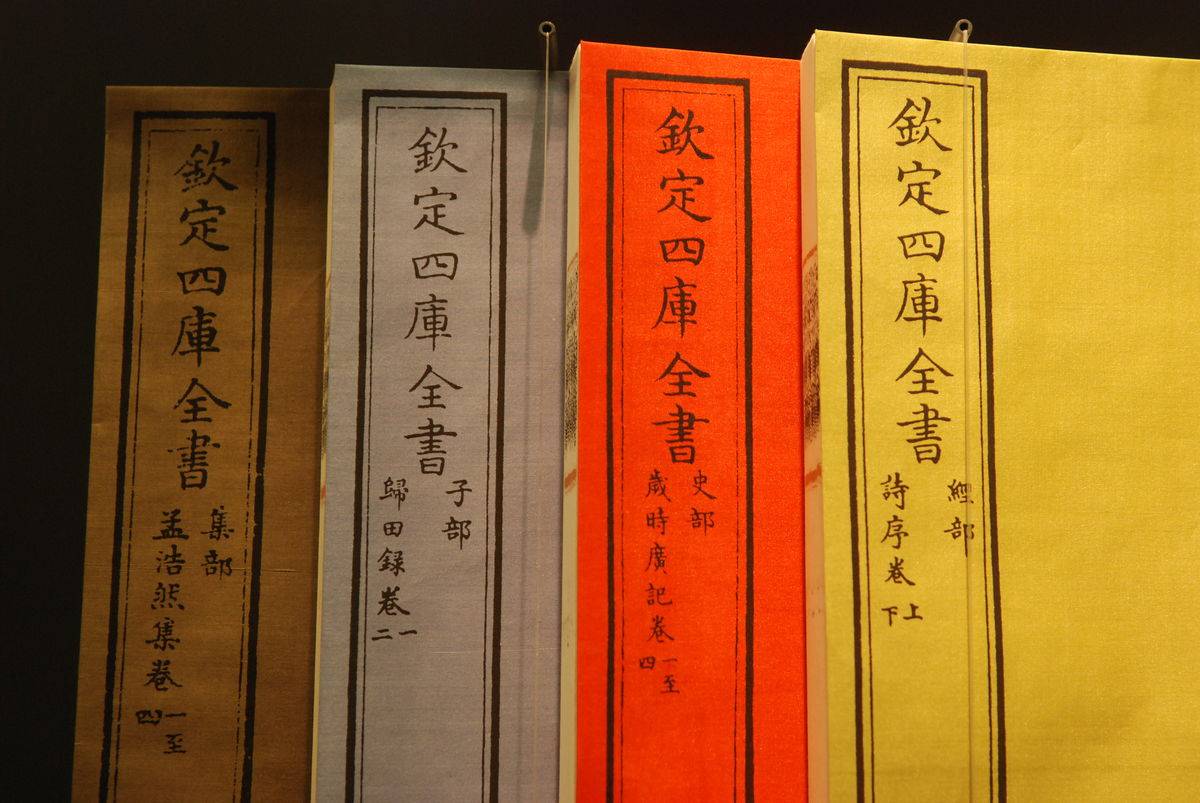
Siku Quanshu
Introduction
Siku Quanshu, also known as the Imperial Collection of Four, represents the largest and most comprehensive collection of Chinese literature in history. Compiled during the Qing Dynasty (1644-1911) under the auspices of Emperor Qianlong, this monumental work consists of over 3,500 books. The endeavor required the meticulous transcription efforts of approximately 4,000 workers over a span of 13 years, reflecting the extensive scope and ambition of the project.
Historical Context
The creation of Siku Quanshu was initiated in response to the intellectual and cultural needs of the Qing Dynasty, during a time when China was affirming its cultural heritage. The collection was seen as a means to preserve and promulgate the literary and scholarly traditions of China, encompassing works from various fields such as literature, history, philosophy, and more. The effort was not merely about preservation but also served as a demonstration of the Qing Dynasty's cultural and political authority.
Compilation and Structure
The Siku Quanshu is systematically organized into four broad categories: Classics (Jing), History (Shi), Philosophy (Zi), and Literature (Ji), which has given it the alternate name, the Complete Library in Four Branches of Literature. This structure was intended to provide a comprehensive overview of Chinese knowledge and civilization. Each category contains texts that were meticulously chosen and reviewed by scholars to ensure the authenticity and accuracy required for such an imperial project.
Preservation and Exhibition
The original copies of the Siku Quanshu were distributed across several libraries in China to ensure their preservation. This decision was part of a strategic effort to protect the collection from potential loss due to disasters or political upheaval. Today, various exhibitions, such as the one at the National Library in Beijing, allow people to engage with these cultural treasures, offering exhibitions that replicate the original arrangement as seen during Emperor Qianlong's era.
Cultural Significance
The Siku Quanshu is not only a testament to the scholarly rigor of the Qing Dynasty but also a symbol of Chinese cultural identity. Its compilation reflects a blend of preservation and progression, aiming to engage with China's vast historical past while providing a foundation for future scholarship. The collection has influenced countless scholars and continues to be a vital resource for understanding the breadth of Chinese intellectual history.








